Cozy Clarity for Compact Living

We’re exploring Warm Minimal Small-Space Interiors, celebrating calm palettes, tactile layers, and clever planning that make modest rooms feel generous. Expect clear steps, personal anecdotes, and resourceful tricks that prioritize comfort, light, and flow. By the end, you’ll be ready to edit kindly, invest thoughtfully, and create a home that greets you with warmth every time you cross the doorway. Share your questions and win practical, personalized suggestions for your unique floor plan.

Foundations of Warm Minimalism in Tight Quarters

Minimalism here is not cold or bare; it is deliberate, human, and warmly restrained. Start by defining purpose for every zone, then let negative space support calm circulation. Favor forgiving finishes and rounded profiles, soften edges with textiles, and repeat hues to lower visual noise. When in doubt, remove one item and add back only what increases comfort. Comment with your biggest challenge, and we’ll suggest a simple, rewarding first step tailored to your space.

Layout Strategies That Stretch Square Footage

Thoughtful placement changes everything in a small home. Create clear pathways, keep door swings free, and size pieces to match human movement, not showroom fantasies. Floating furniture away from walls improves scale and access. Use leggy silhouettes to reveal more floor, tricking the eye. Define zones with light and texture instead of tall dividers. Tell us your room dimensions and a photo, and we’ll sketch layout ideas.

Float the Furniture

Pull the sofa a few inches off the wall and angle a chair to face conversation, not corners. Add a slim console behind to hide cords and anchor lamps. This small shift invites circulation, makes the room feel intentional, and frames negative space that reads as luxury in compact footprints.

Vertical Thinking

Claim height as usable territory. Mount shelves close to the ceiling line and stop short of corners to keep airiness. Choose tall curtains hung high and wide to stretch windows. Consider ladder storage and wall hooks that display beautiful daily tools—baskets, brooms, aprons—turning necessities into calming, sculptural rhythm.

Light, Color Temperature, and Mood

Light sets emotional temperature. Combine a warm base (2700–3000K) with layered sources at different heights: ceiling wash, wall glow, task beams, and candles for ceremony. Dim everything for evening rituals. Keep lampshades textured to diffuse glare. Bounce daylight off pale walls and mirror fronts, protecting privacy with sheer fabric that still welcomes sky and movement.

Layered Lighting, Not Brighter Bulbs

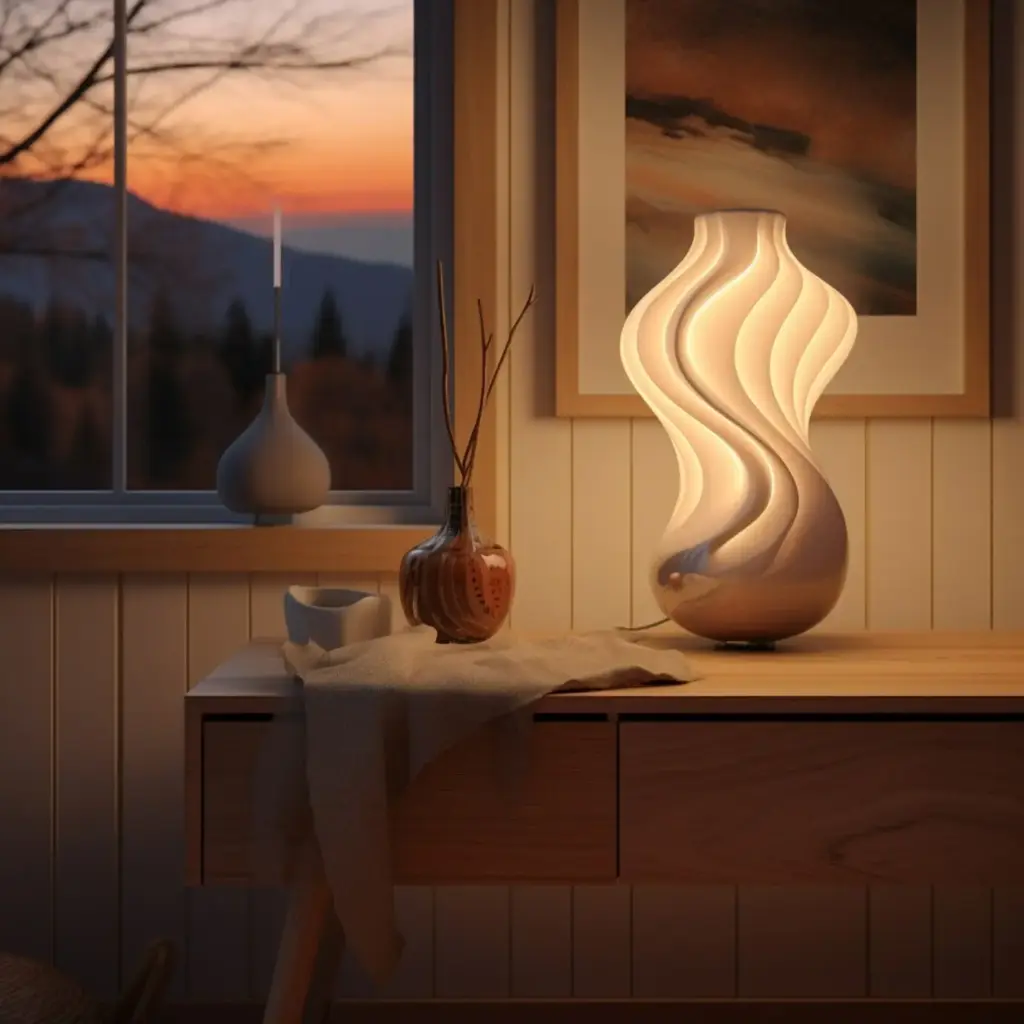
Adding more lumens rarely helps; shaping light does. Use uplights to soften corners, picture lights to graze art, and hidden LED strips under shelves to create floating effects. Let bulbs match your palette—warmer with woods, slightly neutral with grays—so colors read as intended and evenings land gently.

Sunlight as a Material

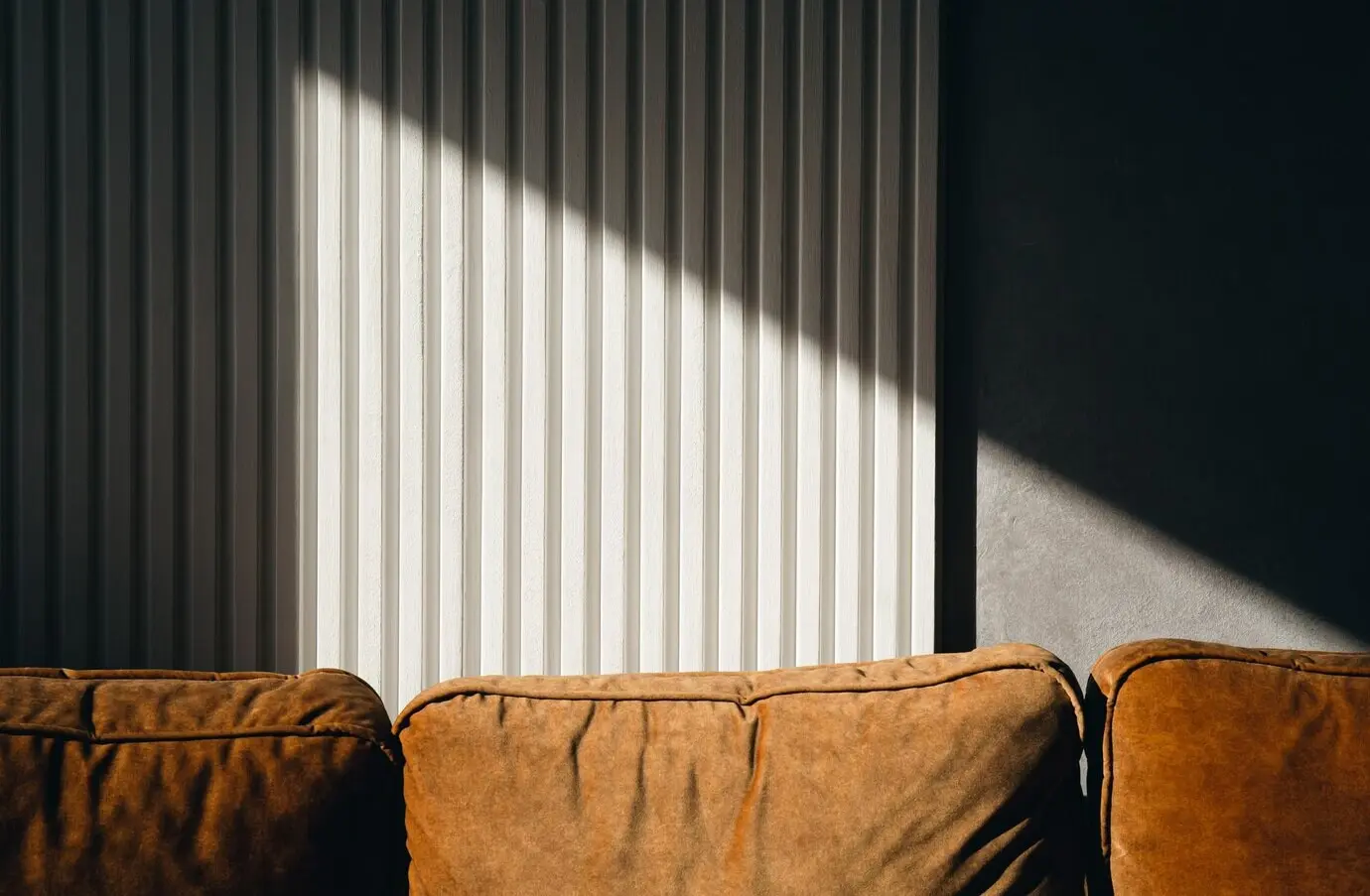
Treat daylight like a material with weight and direction. Note how morning sun paints one wall and afternoon shadows cool another. Place desks where motivation meets brightness. Add diffusion where glare distracts. Clean windows often; in small spaces, glass behaves like a second lamp when spotless.

Evenings That Embrace You

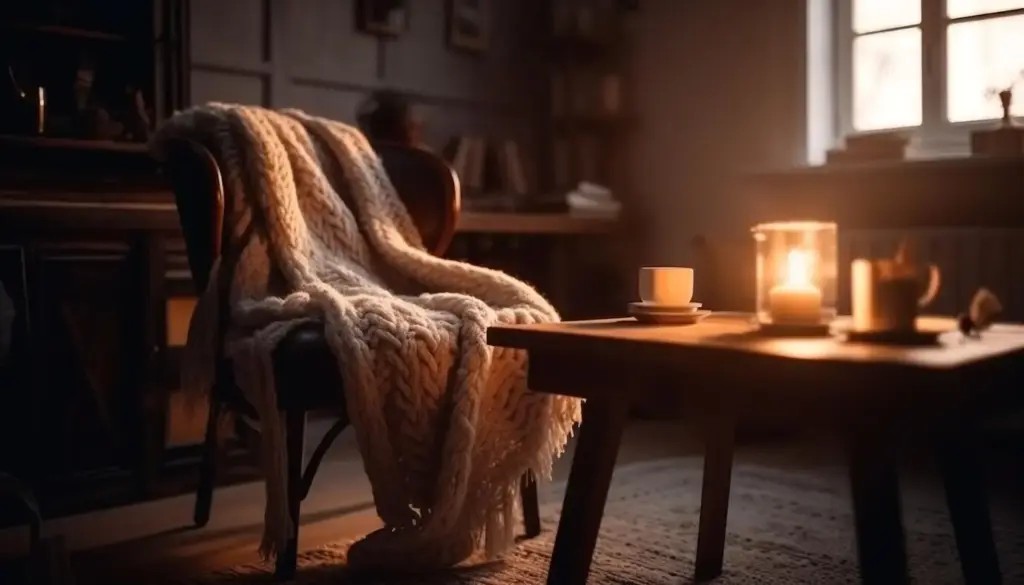
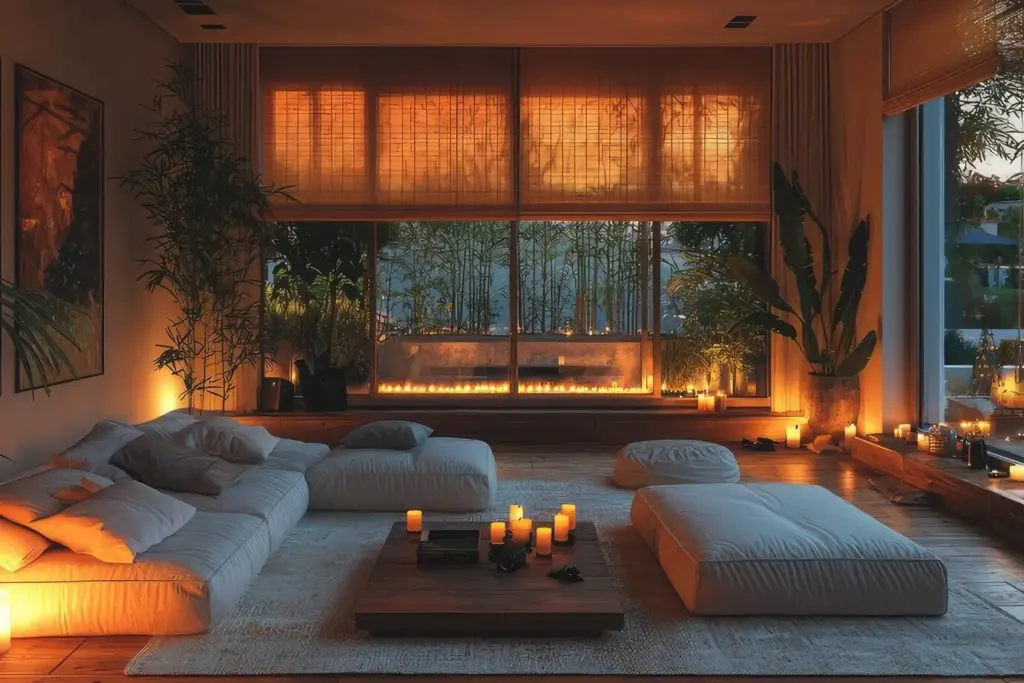
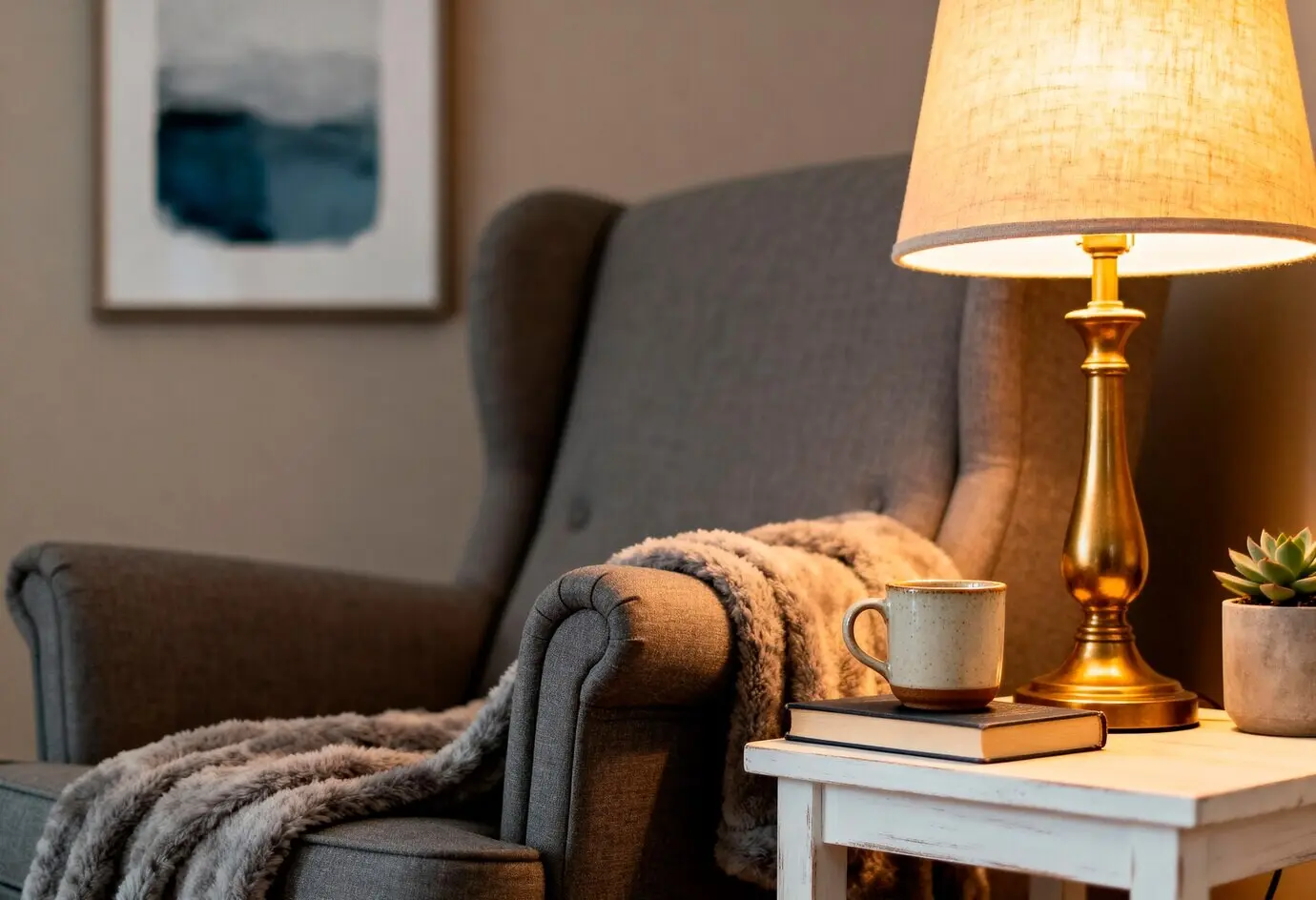
Evenings deserve softness. Swap harsh central fixtures for pools of warmth at eye level, mix candles with dimmed table lamps, and cue a favorite playlist. A simple ritual—closing curtains, turning pages, sipping tea—trains the body to exhale. Home becomes a sanctuary rather than a storage unit.

Storage That Disappears

Clarity lives where storage is silent. Choose built-ins that meet the ceiling to avoid dust lines and visual chopping. Keep fronts plain, hardware minimal, and colors aligned with walls so volume recedes. Inside, use labeled bins and drawer dividers to prevent hidden chaos. Share your trickiest nook; we’ll brainstorm solutions together.

Materials and Finishes That Feel Human

Materials write the emotional script. Choose pieces that warm under touch and age gracefully: oiled oak, ash, cork, clay, wool, linen, and stone with honed finishes. Avoid high-gloss where fingerprints shout. Favor repairable construction and honest joinery. Over time, patina becomes memory, layering stories without adding objects or noise.

A Shelf That Tells a Story

Curate a single shelf like a paragraph. Place a modest stack of books, a small vessel with a sprig, and one framed photo. Leave breathing room at the ends. The negative space is part of the story, encouraging the eye to pause and the mind to rest.

Textiles as Voice

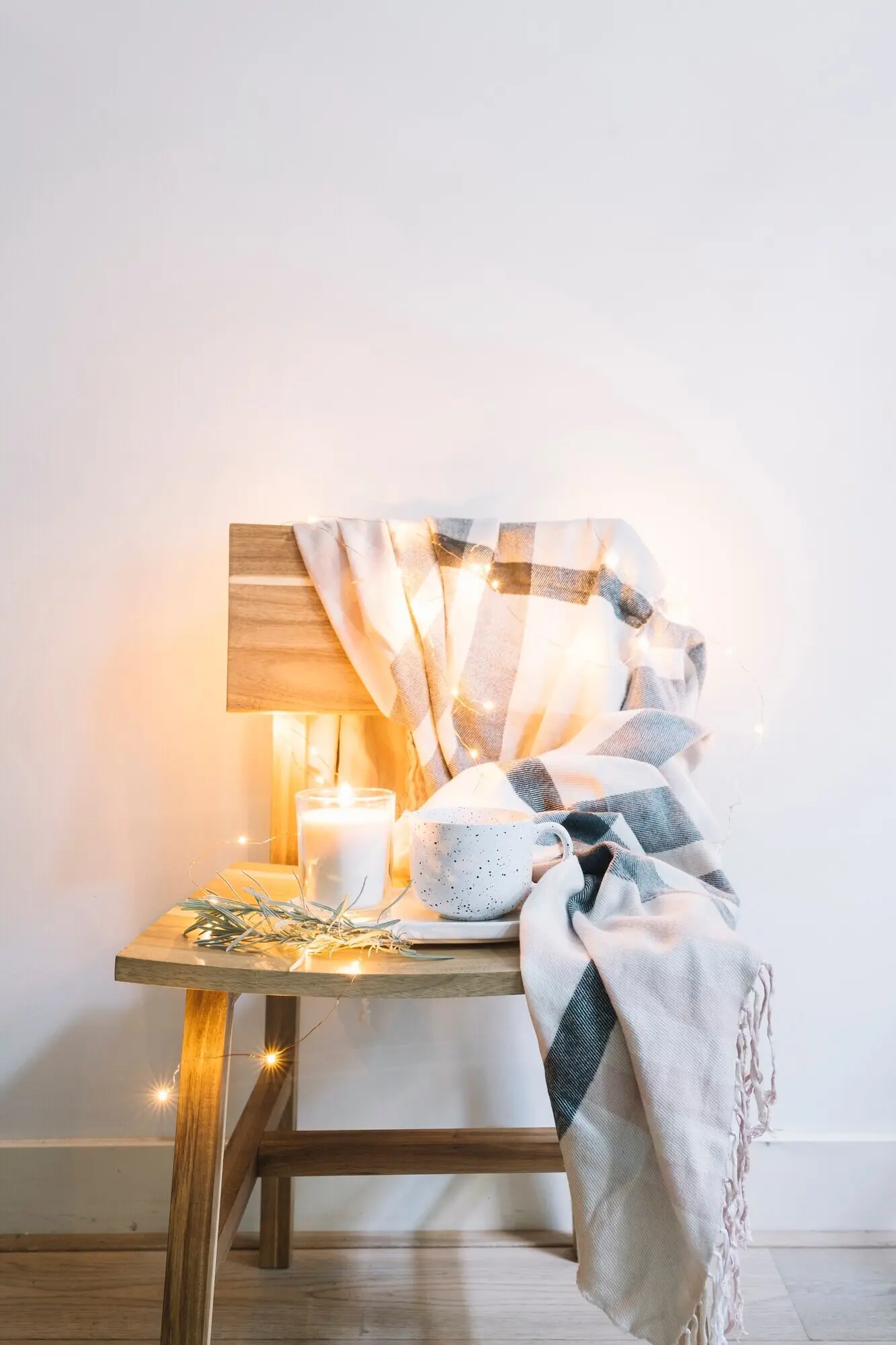
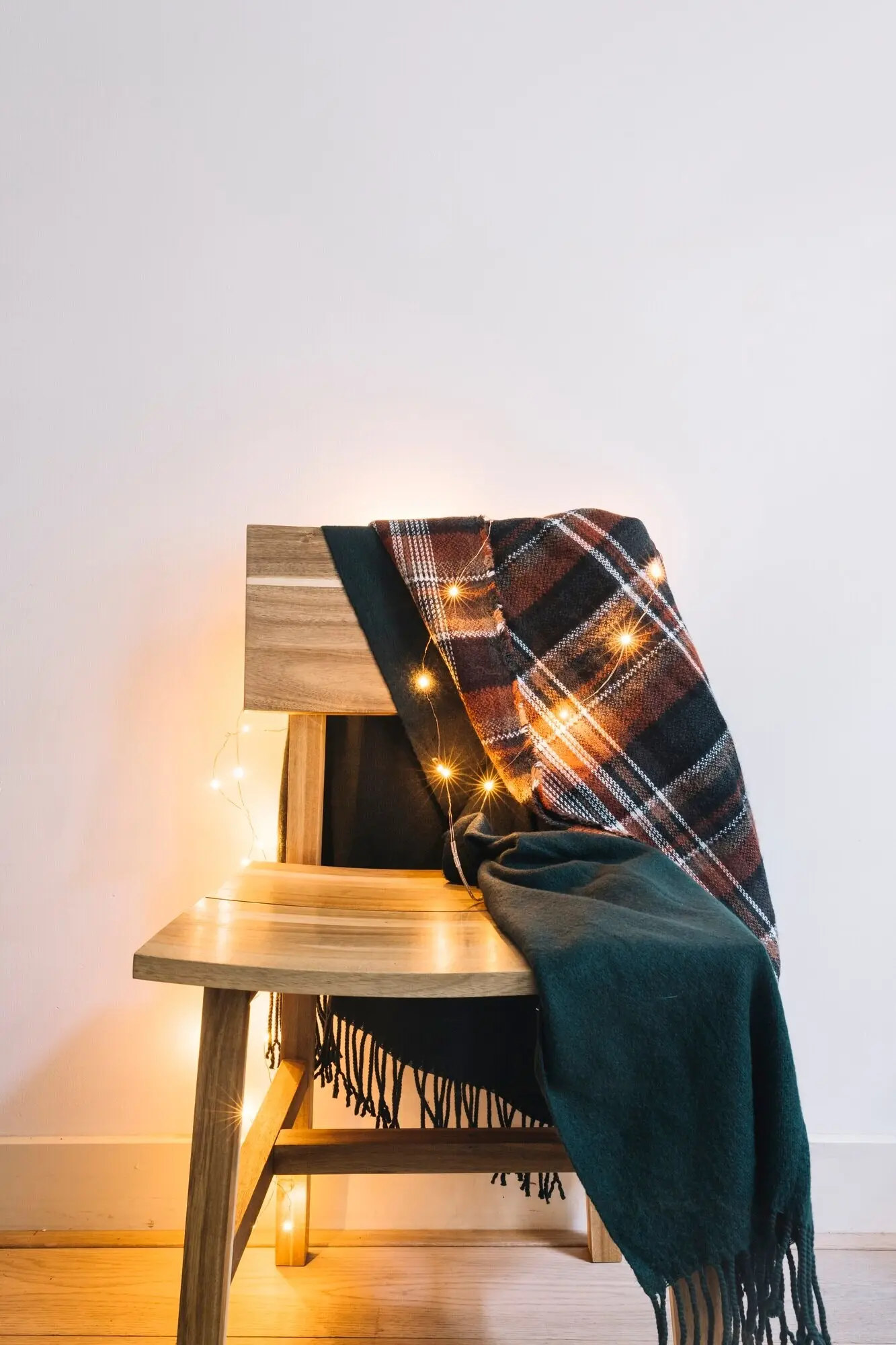
Choose one textile gesture and repeat it thoughtfully. Perhaps a nubby throw echoed in cushion piping and a hallway runner. Keep patterns large-scale and sparse so they read as texture from afar. This cohesion calms surfaces and lets warmth express itself through touch and tone.
Fomukokumexenifaluli
Privacy Overview

This website uses cookies so that we can provide you with the best user experience possible. Cookie information is stored in your browser and performs functions such as recognising you when you return to our website and helping our team to understand which sections of the website you find most interesting and useful.