
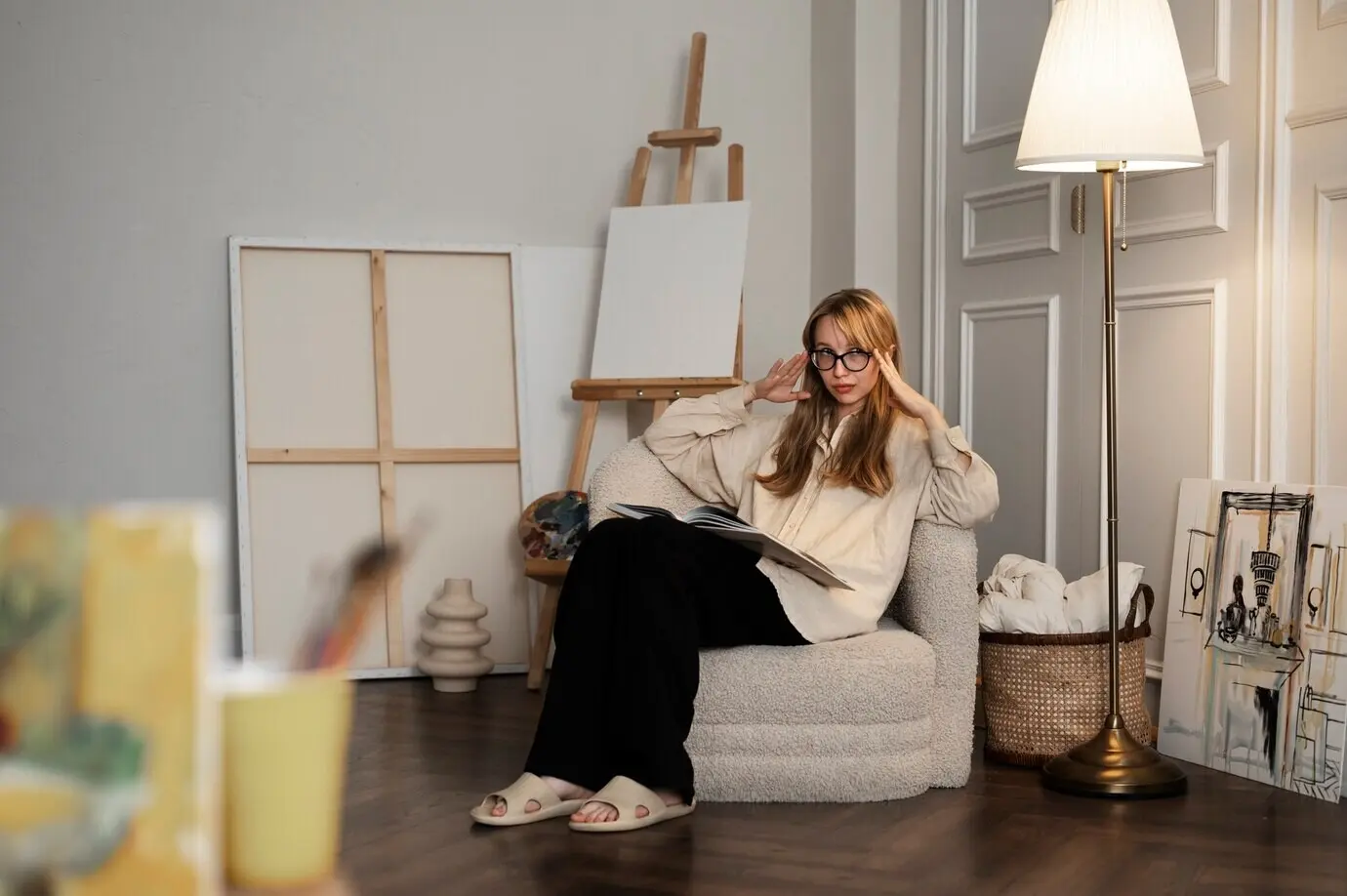

Warm Minimal Palettes That Expand Small Spaces

Today we explore Warm Yet Minimal Color Palettes for Compact Homes, blending grounded neutrals, softened contrast, and layers of natural texture to create rooms that feel generous, calm, and personal. Expect actionable guidance, small-space tricks, and inviting stories that prove restraint can still glow with character and welcome. Share your experiments, ask questions, and subscribe for future guides that keep small footprints feeling generous and kind.

Guiding Principles for Cozy Restraint

Small rooms reward clarity, so we start by simplifying color decisions to a few dependable anchors and gentle accents that breathe. Warmth arrives through undertone, texture, and light, not clutter. By orchestrating negative space, restrained contrast, and subtle shifts between materials, you gain calm visual rhythm that reads spacious, friendly, and quietly sophisticated, even in a studio corner or hallway nook.

Calm First, Clutter Last

Begin with fewer hues than you think you need, then introduce function before decoration. Edit storage, reveal clean wall planes, and let color serve purpose. When surfaces breathe, warm minimal palettes register as intentional hospitality rather than absence, making guests feel seen, belongings curated, and movement through tight layouts easier and more graceful.

Balanced Warmth Without Overheating

Warmth does not require heavy saturation. Choose neutrals with red, yellow, or pink undertones, then cool them slightly with stony grays or fresh whites to prevent visual weight. The interplay keeps skin tones flattering, wood grains richer, and small rooms lively yet breathable, avoiding the boxed-in feeling deep earths can cause when overused.

Scale, Contrast, and Negative Space

Use larger fields of soft color to smooth visual noise, reserving highest contrast for small accents like a lamp cord, narrow frame, or woven stripe. This trick guides attention, stretches walls, and strengthens perceived volume, letting a compact plan feel deliberate, balanced, and beautifully edited without sacrificing personality or daily comfort.

Building Your Palette: Base, Bridge, Accent

A dependable palette works like a trio. The base coats most surfaces and carries light. Bridge tones connect floors, fabrics, and cabinetry with gentle temperature shifts. Accents supply energy and story. Selecting each with intention creates quiet coherence, easier shopping, and fewer mistakes when sunlight changes, guests arrive, and storage needs evolve.

Light, Finish, and the Illusion of Volume

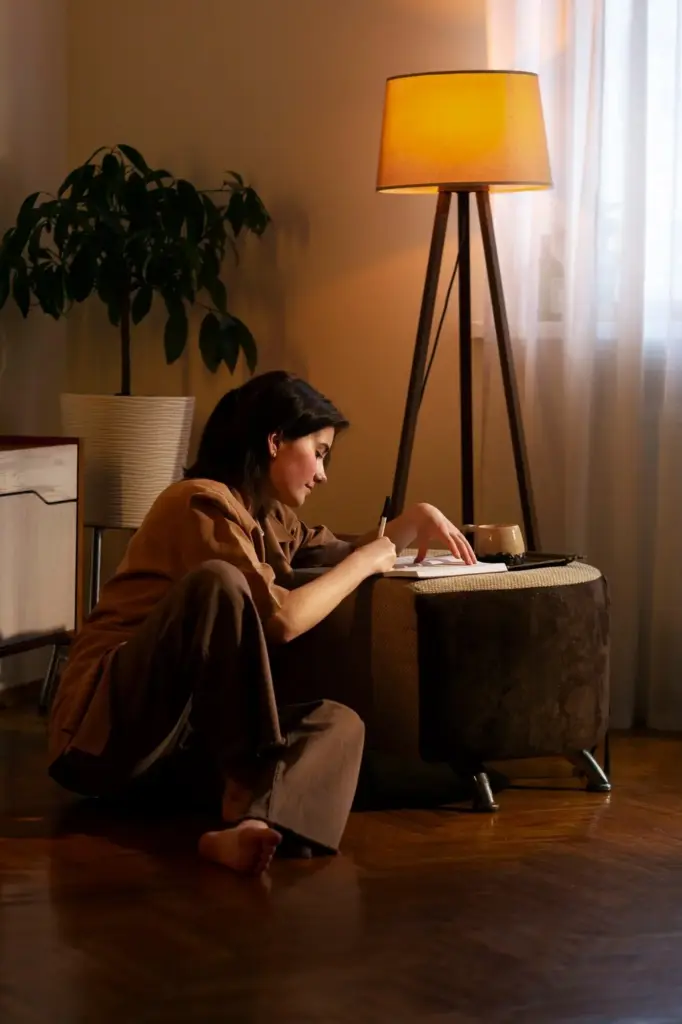
Light decides whether warmth feels cozy or heavy. Map sunlight across the day, then tune temperature with paint undertones, bulb selection, and sheen. Semi-matte walls soften shadows, satin trim lifts edges, and warm-white LEDs keep evening meals flattering. These small calibrations change perceived square footage without touching a single wall.

Daylight Mapping and Color Shift

North light cools; south light warms; east is blush in morning, while west can burnish late. Test swatches on every orientation and observe for days. A beige that glows at noon may green in twilight. Record impressions, compare photos, and choose the hue that remains gracious through chores, guests, and quiet, solitary moments.
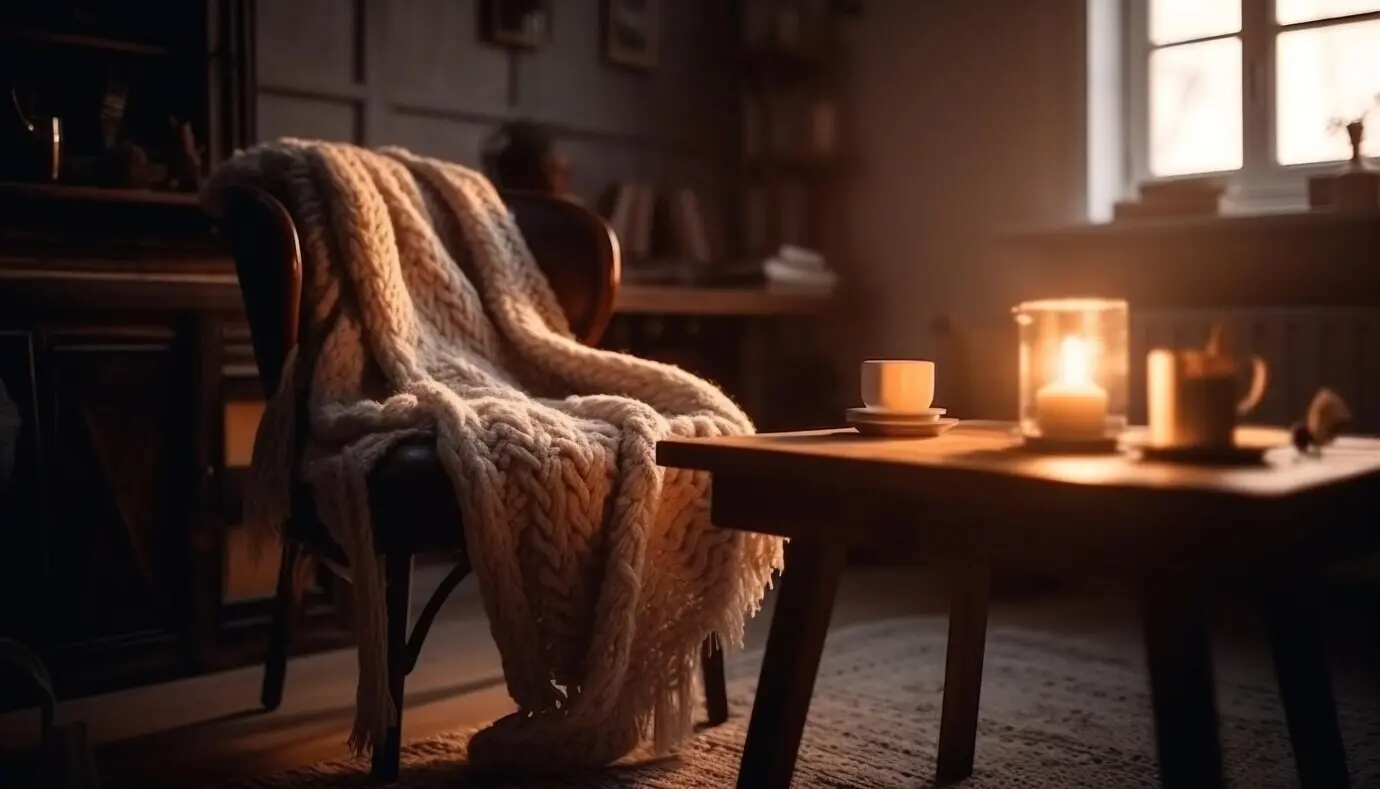
Artificial Light: Bulb Temps and Dimmers

Pick bulbs between 2700K and 3000K for flattering warmth that still reads clean. Avoid mixed temperatures in one room to prevent color confusion. Add dimmers for late nights and early mornings. With consistent, adjustable light, small rooms feel composed, artwork harmonizes, and those careful palettes hold steady from meal prep to movie marathons.
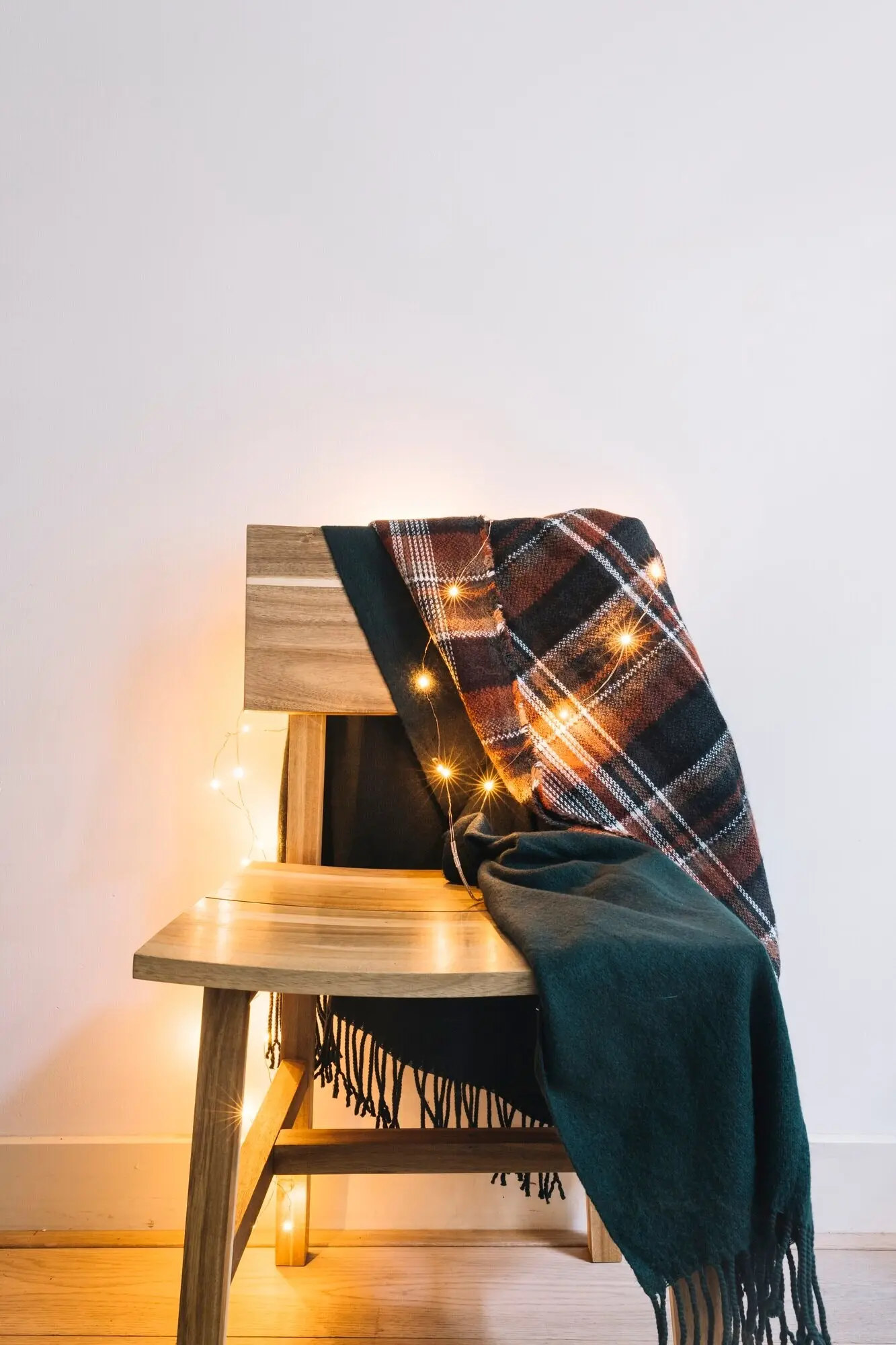
Sheen and Material Reflexivity

Higher sheen reflects more light, but also shows flaws. In compact spaces, reserve eggshell or matte for walls, satin for trim, and a gentle gloss on metal or ceramic accents. This balanced reflectivity multiplies brightness while protecting character, helping grain, weave, and craftsmanship remain visible without visual noise or cleaning headaches.
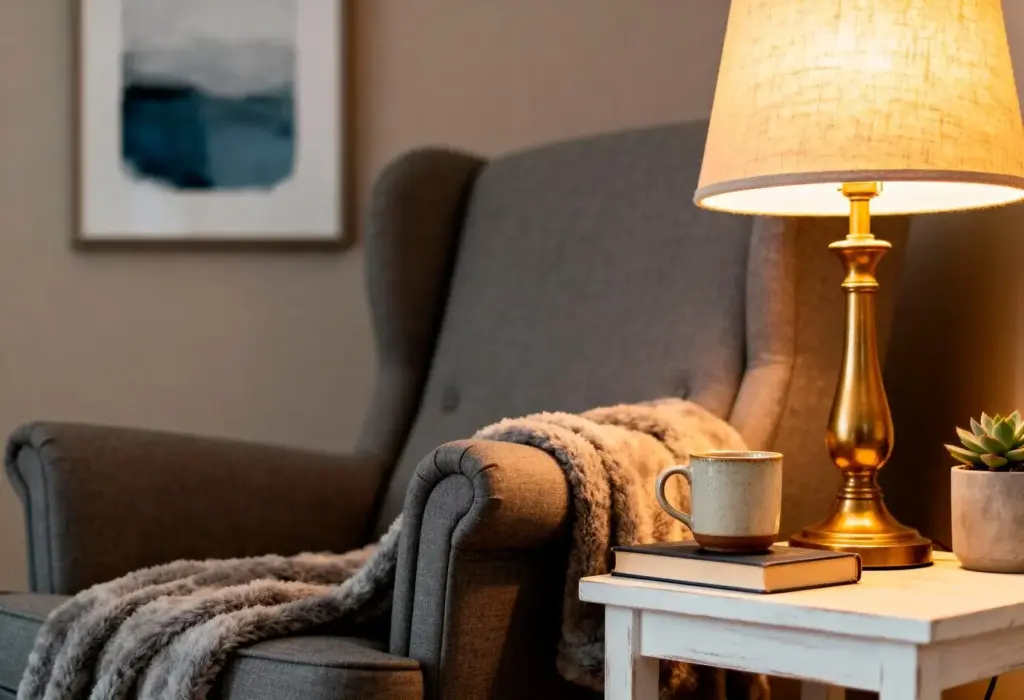
Room-by-Room Magic for Compact Living

Different functions ask for different emphasis, even within a single open-plan room. Use consistent bases, then tune bridges and accents to support behavior: conversation, cooking, rest, or focus. These adjustments keep a studio coherent while giving each zone identity, so transitions feel natural, generous, and quietly uplifting morning to night.

Texture, Pattern, and Tactile Warmth

When color stays minimal, texture carries emotion. Choose honest materials and gentle patterns that read calm from a distance yet reward touch up close. Limit motifs, repeat hues, and let a few handcrafted pieces anchor memory. The result feels grounded, welcoming, and resilient to trends, even as seasons and furniture shift.

01

Wood, Clay, and Honest Fibers

Pale oak, beech, terracotta, and wool bring warmth without visual heaviness. Their irregularities scatter light softly, softening edges and amplifying comfort. In small homes, these materials do double duty: durable, easy to maintain, and emotionally reassuring. A simple clay bowl or woven stool instantly humanizes even the crispest white-painted corner.

02

Soft Geometry with Purpose

Curves calm a compact footprint, so echo soft arcs in lamp shades, table corners, and textile motifs. Keep patterns low-contrast and oversized to avoid visual buzz. A rounded mirror, checked throw in muted tones, and circular tray organize function while guiding the eye in slow, comforting loops around the room.

03

Artwork, Books, and Human Presence

Warm minimalism loves objects that tell stories. Choose fewer, deeper pieces: a sepia photograph, sketch, or poetry volume with a tobacco linen cover. Group them thoughtfully, let breathing room exist, and watch how meaning intensifies. Guests connect faster, conversations deepen, and your home becomes a gentle refuge from fast, bright noise.

Sampling Like a Pro in Small Spaces

Paint large foam boards, label undertones, and move them hour to hour. Place near floors, textiles, and art to catch interactions. Photograph with a white card for reference. This method saves money, avoids regret, and reveals the cozy minimal balance you truly crave before committing brush, roller, and precious weekend hours.

Smart Spend: Where to Invest or Save

Direct the budget toward primers, base coats, and a durable rug that anchors traffic. Save on trendy accents and easily swapped pillows or planters. Quality where hands and eyes land daily pays dividends. Your compact home feels considered, resilient, and warm long after the novelty of a new color fades.

Maintenance and Long-Term Flexibility

Choose washable finishes and keep a labeled touch-up jar for each room. Store fabric swatches with paint names. As life changes, adjust accents seasonally without repainting: autumn terracotta, winter caramel, or spring buff. Flexibility keeps warmth alive, protects budgets, and supports evolving routines from work calls to quiet weekend breakfasts.
Fomukokumexenifaluli
Privacy Overview

This website uses cookies so that we can provide you with the best user experience possible. Cookie information is stored in your browser and performs functions such as recognising you when you return to our website and helping our team to understand which sections of the website you find most interesting and useful.